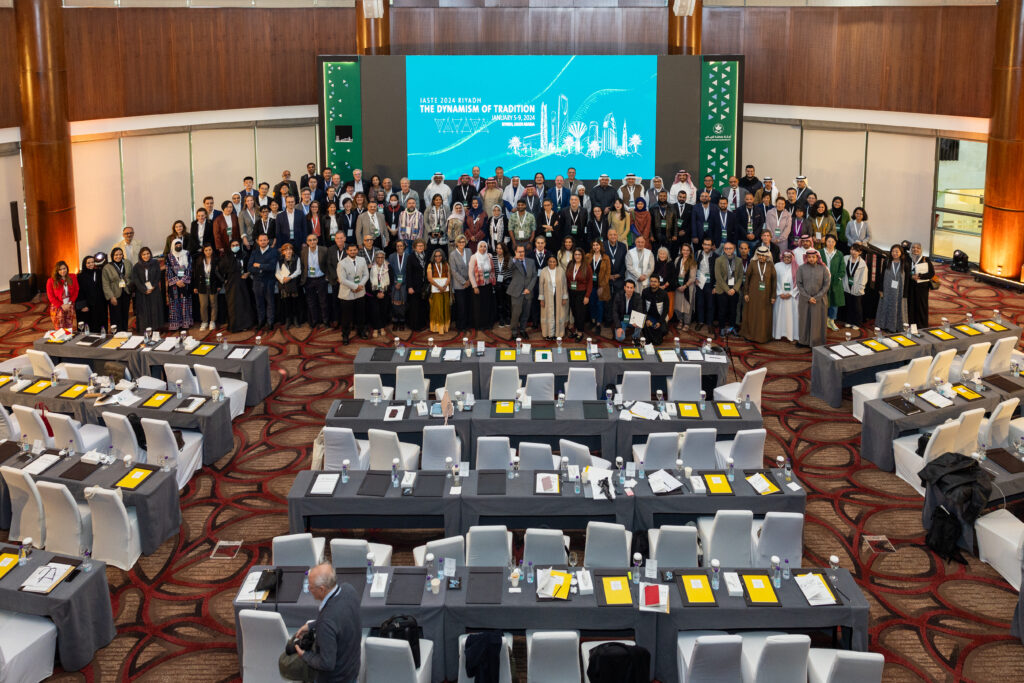
IASTE Conference
Riyadh, Saudi Arabia, 2024
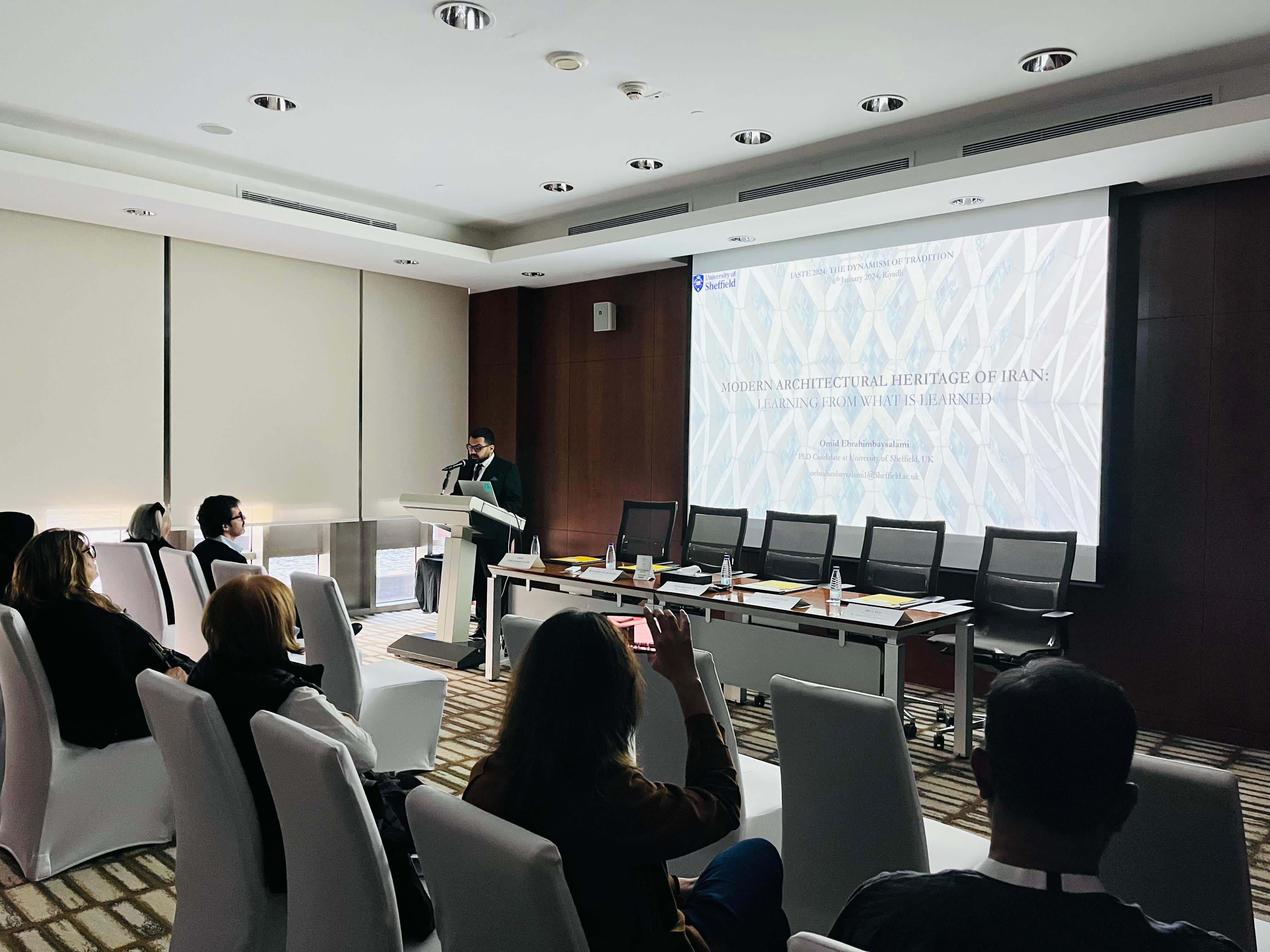
Title: MODERN ARCHITECTURAL HERITAGE OF IRAN: LEARNING FROM WHAT IS LEARNED
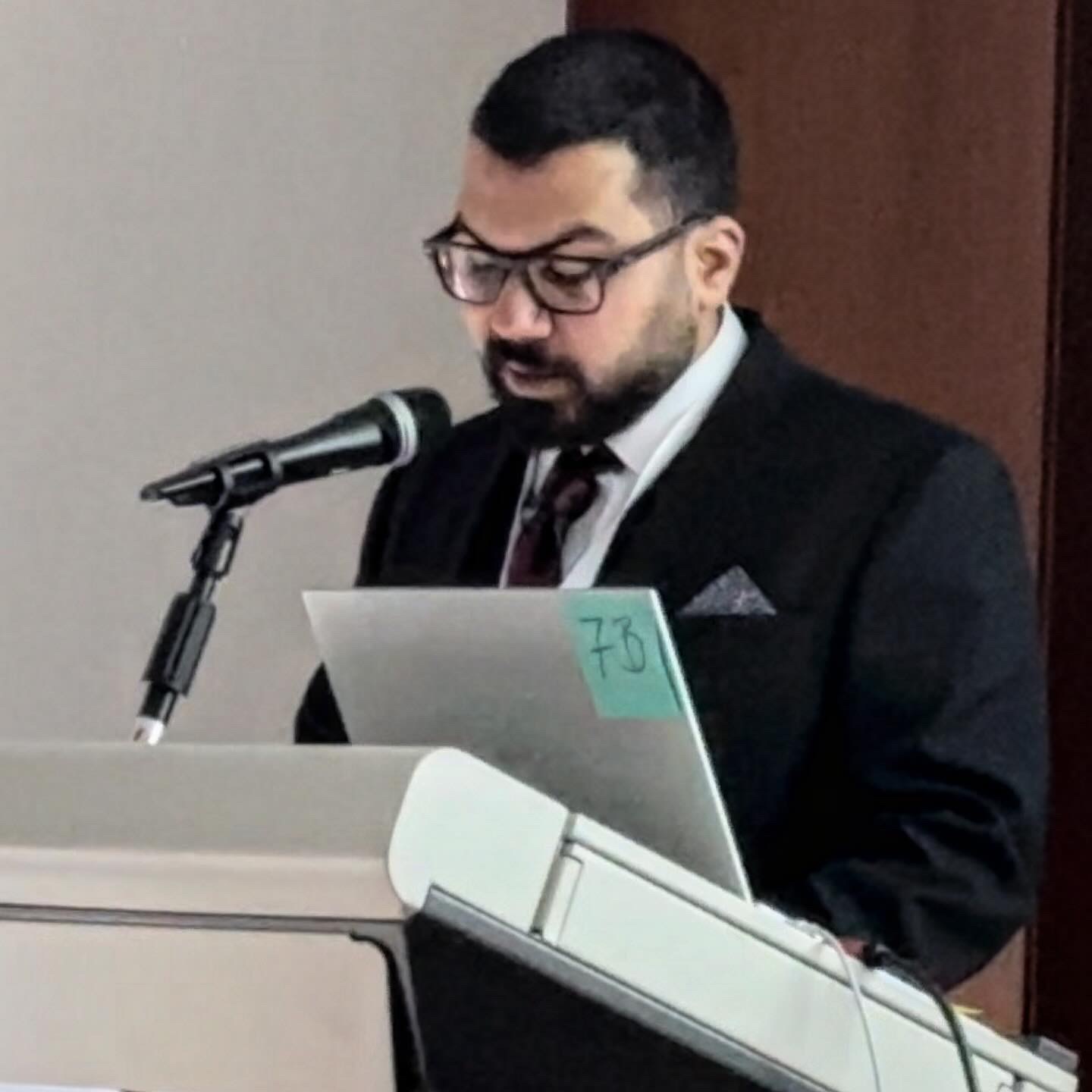
I participated in the conference “The Dynamism of Tradition” with a paper and presentation entitled “Modern Architectural Heritage of Iran: Learning from What Is Learned.” The conference theme addressed tradition as dynamic and continually reinterpreted in relation to present and future conditions, which closely aligned with my research on Iran’s modern architectural heritage.
My presentation examined how the development of modern architecture in Iran, particularly from the 1920s to the 1980s, was shaped by the influence of the Modern Movement as well as major political, social, and cultural transformations. Rather than viewing this process as a simple importation of Western architecture, I argued that modern architecture in Iran developed through a series of stylistic changes that gradually sought to reconnect modern design with Iranian traditional and vernacular architecture. This effort gave Iranian modern architecture a distinctive character, particularly where new materials and techniques were combined with inherited architectural knowledge and craftsmanship.
A key concern of the paper was that much of the architectural focus during this period was directed towards major public and governmental buildings, while the broader impact of modernity on residential architecture and everyday built environments remained less critically explored. In later decades, this imbalance contributed to the spread of repetitive and often context-insensitive building forms, particularly in new urban areas and rural settlements, where architectural identity was increasingly weakened. My research therefore positioned Iran’s modern architectural heritage not only as something to be preserved, but also as a valuable source of lessons for contemporary architectural thinking.
Using a case study methodology supported by interviews, observation, and fieldwork, my research asked how and to what extent Iran’s modern architectural heritage has contributed to the revival of Iranian architectural identity. The aim was to develop a new way of learning from these buildings by treating them as active references for the present and immediate future, rather than solely as historical objects. In this sense, the paper proposed that studying modern architectural heritage can help formulate indicators for reviving Iranian architectural identity in contemporary practice and for creating a stronger connection between tradition, modernity, and future architectural development.